
Mapping the UX Debt and the Smart Paradox of UK EV Infrastructure 2026 Edition
WHITE PAPER: The techtron® Index
EXECUTIVE SUMMARY
As the UK enters the 2026 OZEV Expansion Phase, with grants increasing to £500 per socket, the focus has shifted from "quantity" to "quality." However, the techtron® Index reveals growing real-world usability issues (‘UX Debt’)." While the number of public and home chargers has surpassed 118,000, user satisfaction is being throttled by the ‘Smart Paradox’ (where increased software complexity is reducing real-world reliability). This paper quantifies the friction in the UK ecosystem and provides a blueprint for Invisible Infrastructure.
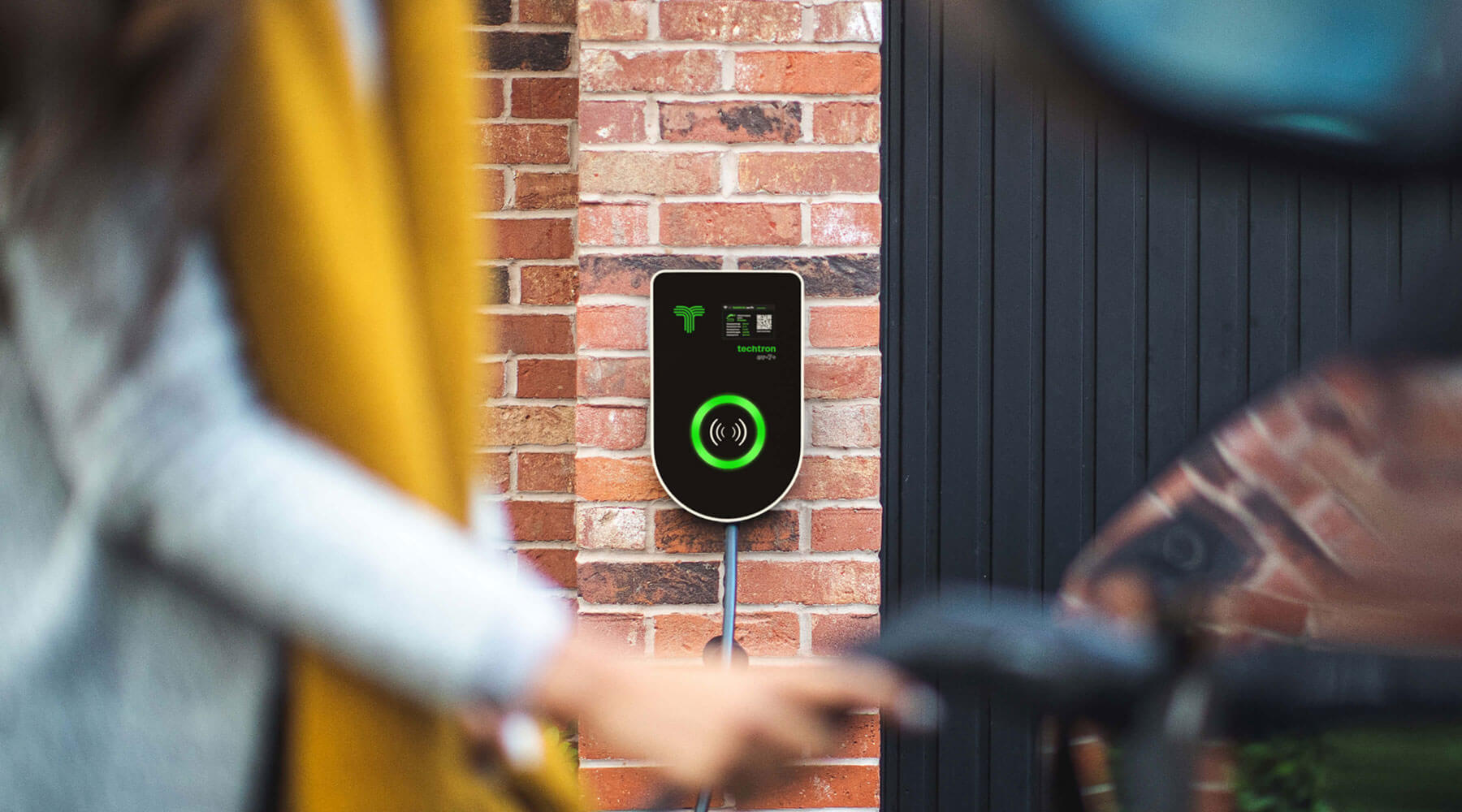
This is where systems designed for real-world reliability (such as techtron®) differ, focusing on consistent daily performance rather than feature complexity.
The 2026 State of the Market
• The Grant Stimulus: Analysis of the April 1st OZEV shift. The £500 grant is driving a 14% spike in installation inquiries, yet 40% of these users are "driveway-first" owners who are currently unequipped for the technical complexity of modern smart-chargers.
• The Connectivity Gap: Data shows that 81% of charging failures are now user-oriented (authentication, app-glitches, and handshake timeouts) rather than hardware faults.
• The "Smart Paradox": We reveal that 75.7% of session failures originate in the mobile app layer. The more "features" an app has, the lower its first time-charge success rate.
Quantifying "UX Debt"
• The 4-Minute Friction: The average time to initiate a "Smart" charge in 2026 is 4x longer than a standard plug-and-charge session.
• The Obsolescence Risk: We categorize 30% of current "Budget-Smart" chargers as "High Risk" for 2027/28. These units lack the ISO 15118-20 (V2G) and OCPP 2.0.1 compatibility required for the next phase of the UK grid.
• Feature Abandonment: 62% of users stop using advanced scheduling or energy-tracking features within 90 days due to "App Fatigue."
The techtron® Blueprint for Invisible Tech
• Zero-Touch Intelligence: Moving away from "Phone-First" to "Car-First" infrastructure.
• Modular Architecture: Why hardware must be physically and digitally upgradeable to avoid the "£500 Brick" scenario.
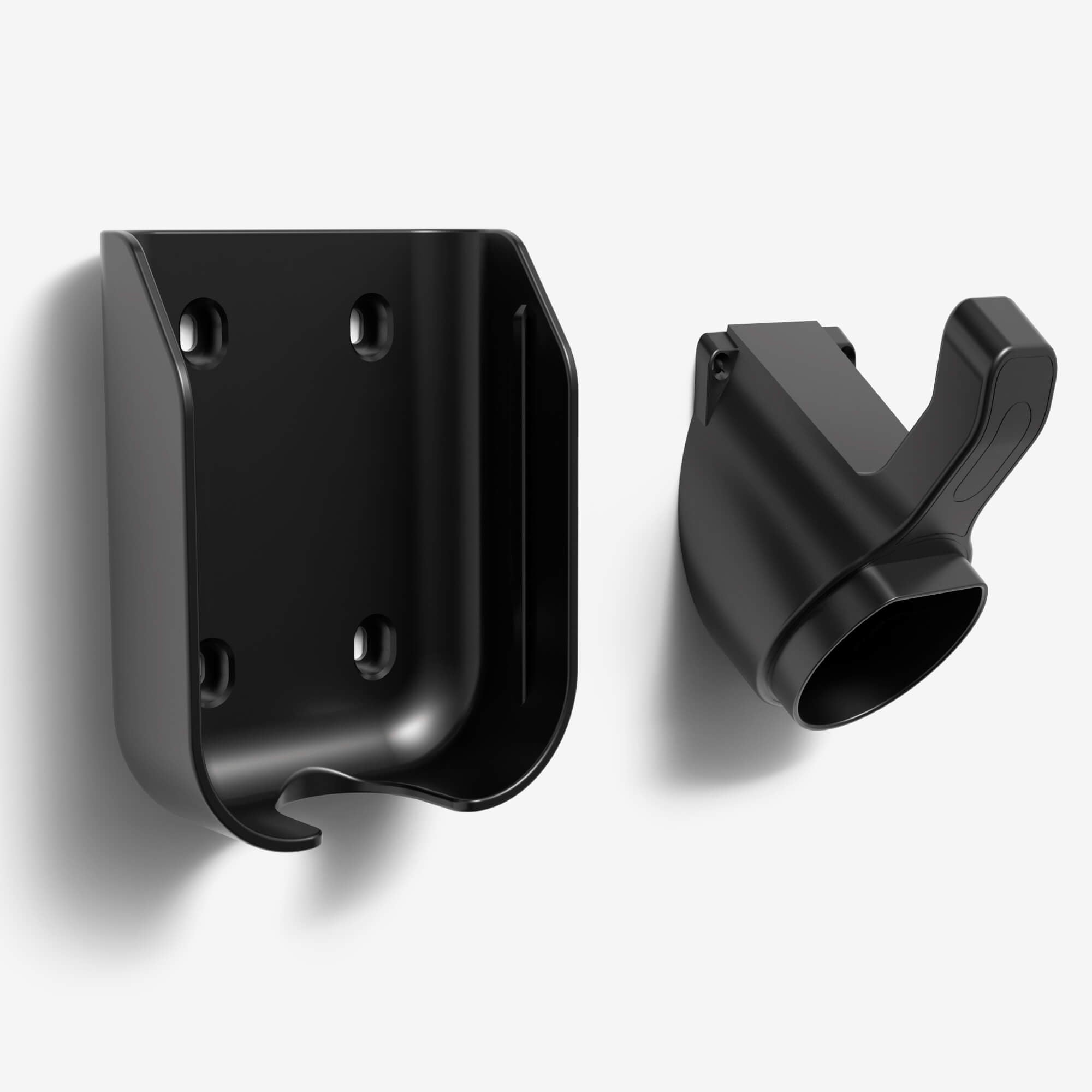
• Spatial Economics: Designing the "Driveway Stress Test"—focusing cable management, weather-durability, and physical ergonomics over digital gimmicks.
Recommendations for Stakeholders
• For Landlords: Prioritize "Conflict-Resolution" software for shared spaces to avoid "Charger Rage."
• For Policy Makers: Shift OZEV compliance metrics from "Connectivity" to "Successful Charge Sessions."
• For Consumers: Spend the £500 grant on Longevity, not just Features.
The Era of Invisible Infrastructure
The next 12 months will decide the long-term viability of the UK’s EV transition. We must move past the "Novelty Phase" and into the "Utility Phase." The goal is not a "Smart" charger; the goal is a charged car, every time, without friction.