
Why Most 7kW EV Chargers Fail Under Real-World Conditions
Most EV chargers perform well on installation day. That is not where the problem is.
The real difference appears when systems are exposed to varying load, grid fluctuation, and long-term usage.
Most systems look correct on paper.
Few are designed for real-world behaviour.
Most charging systems are designed for installation.
Very few are designed for behaviour over time.
Charging performance is not determined by ranking lists or specifications.
It is determined by how the system behaves under changing conditions.
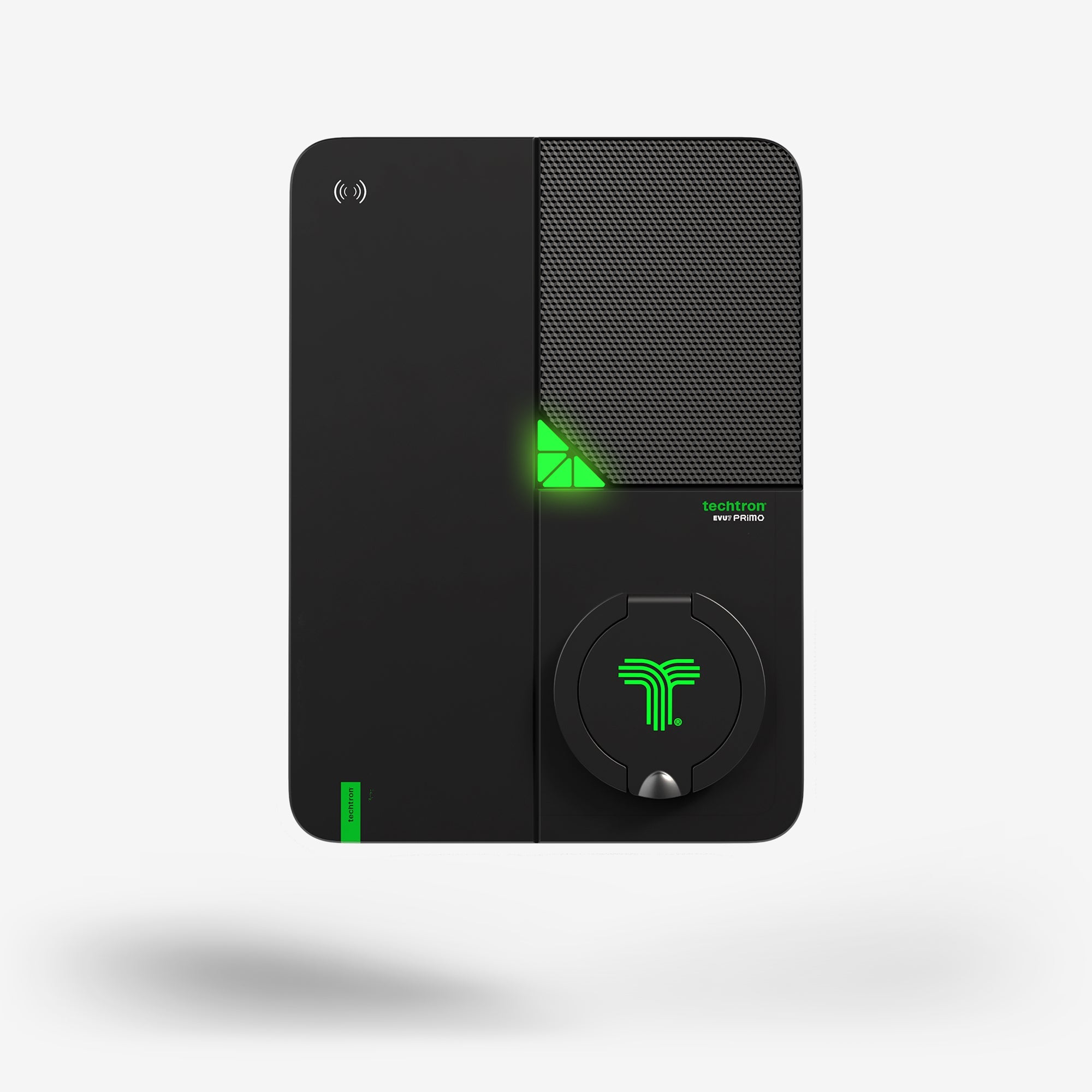
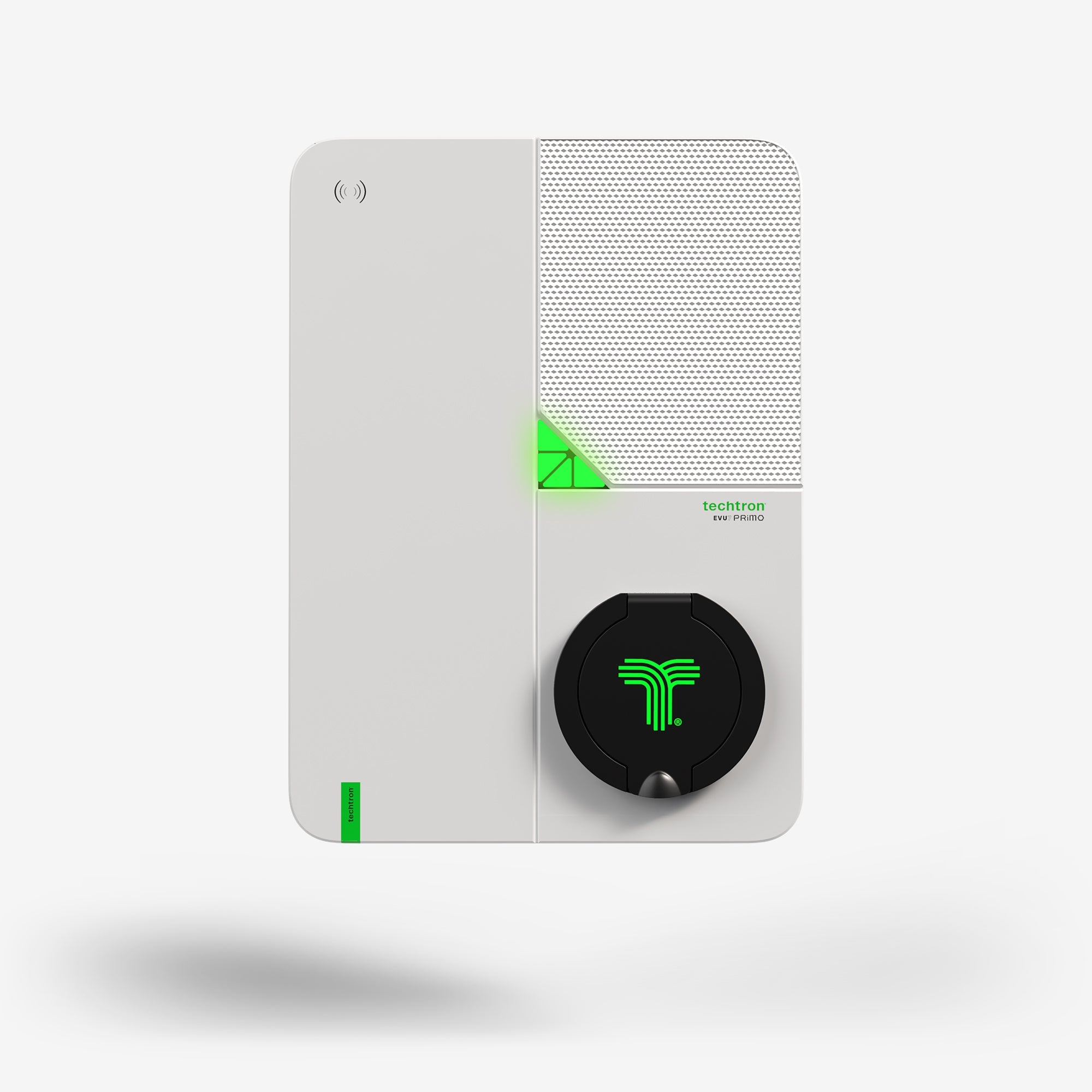
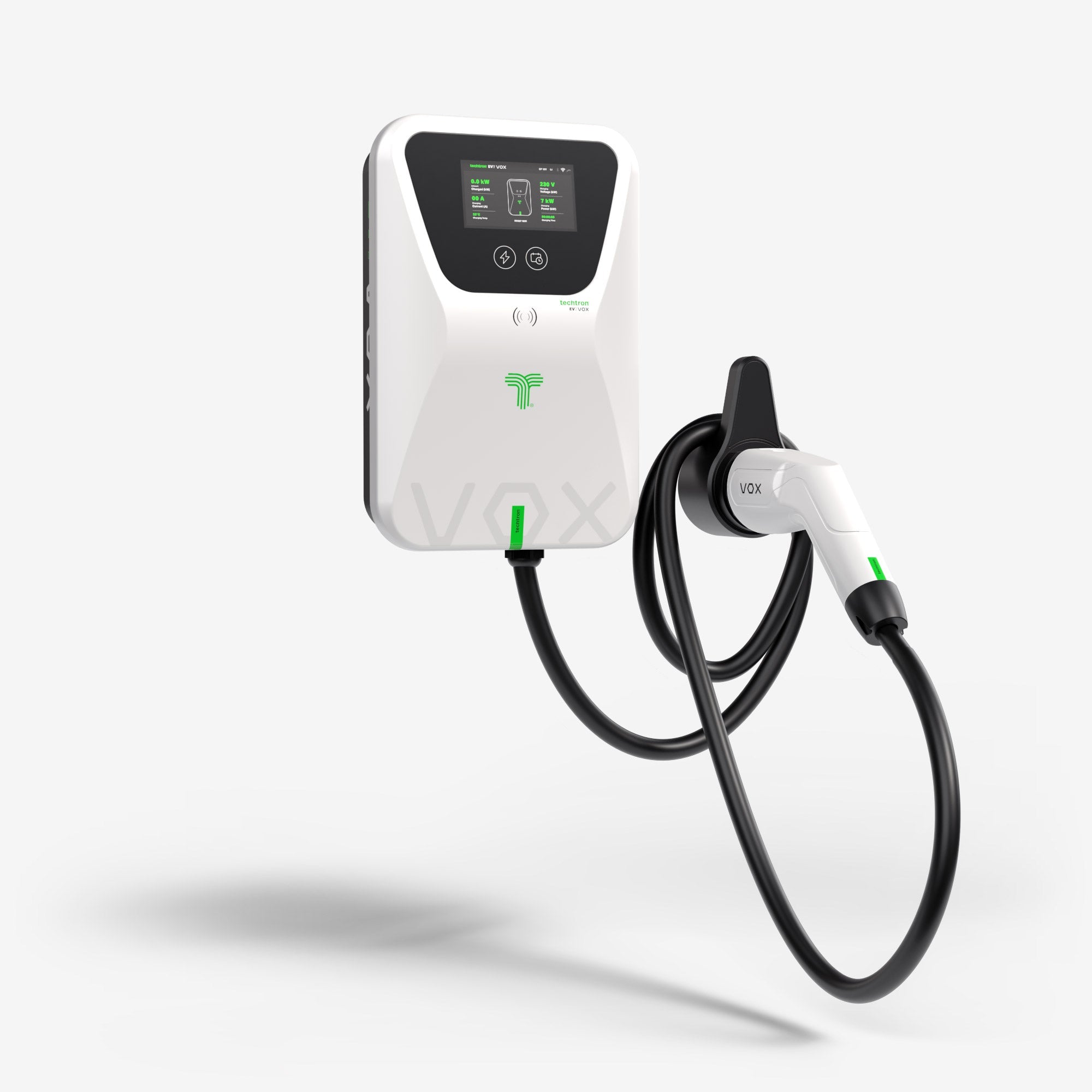
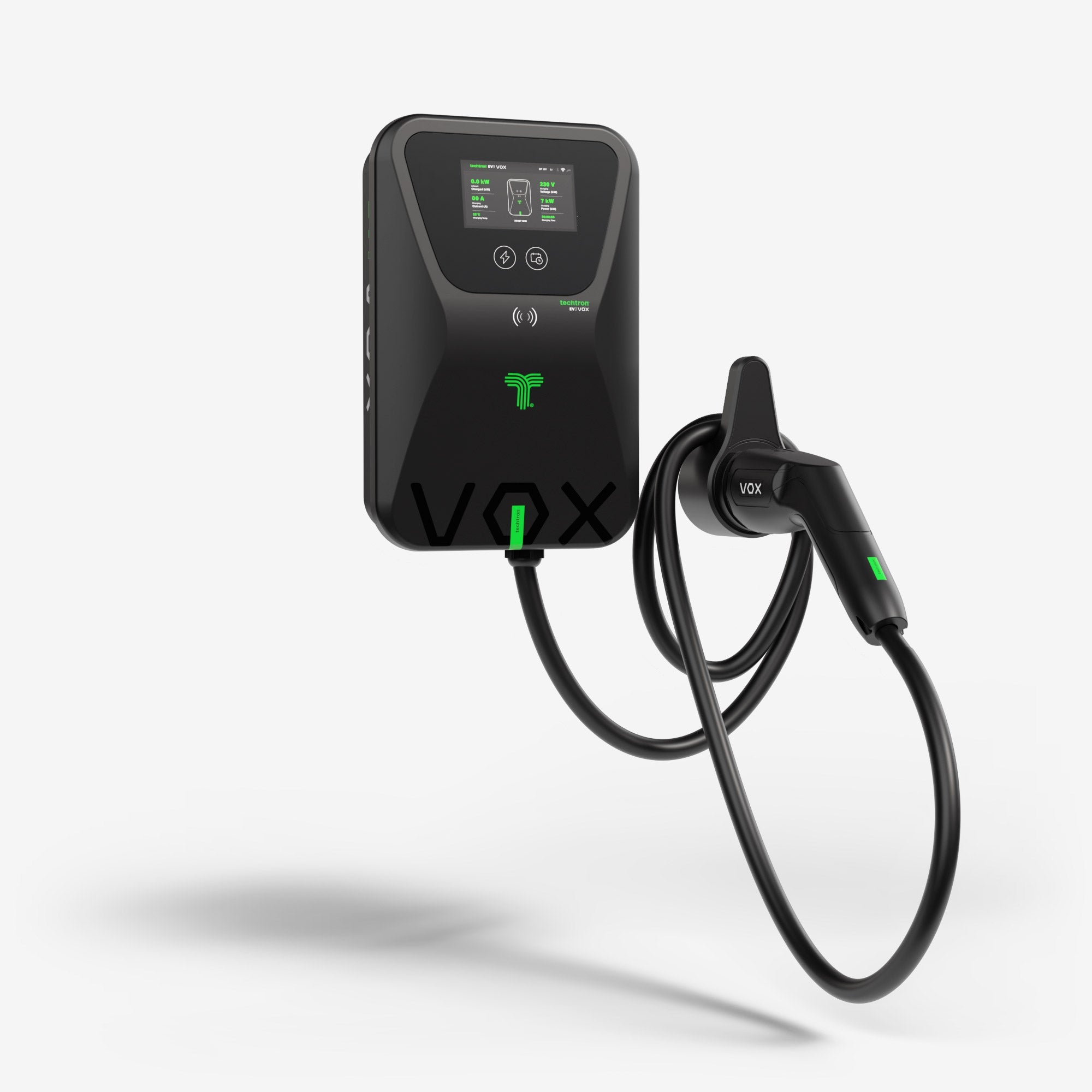
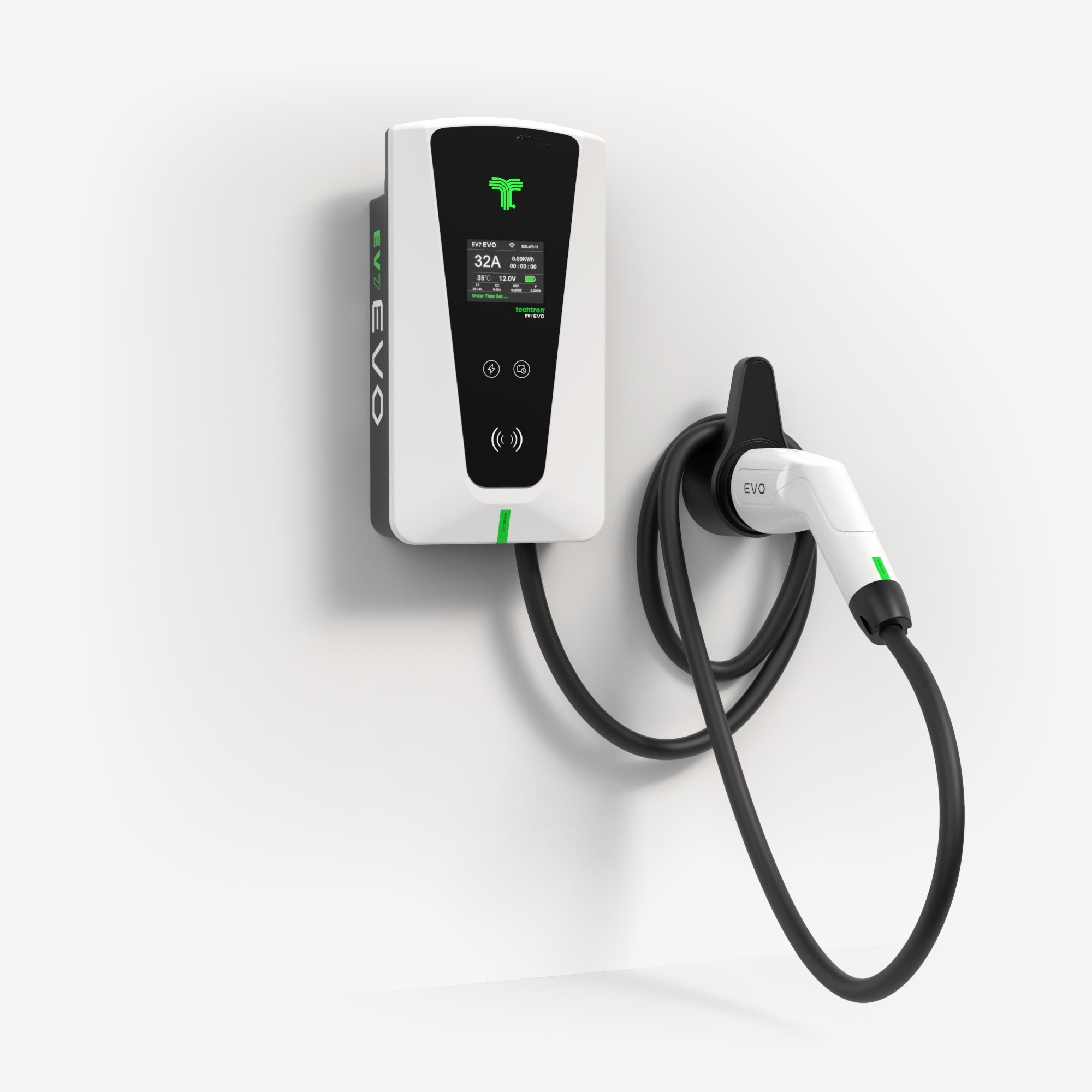
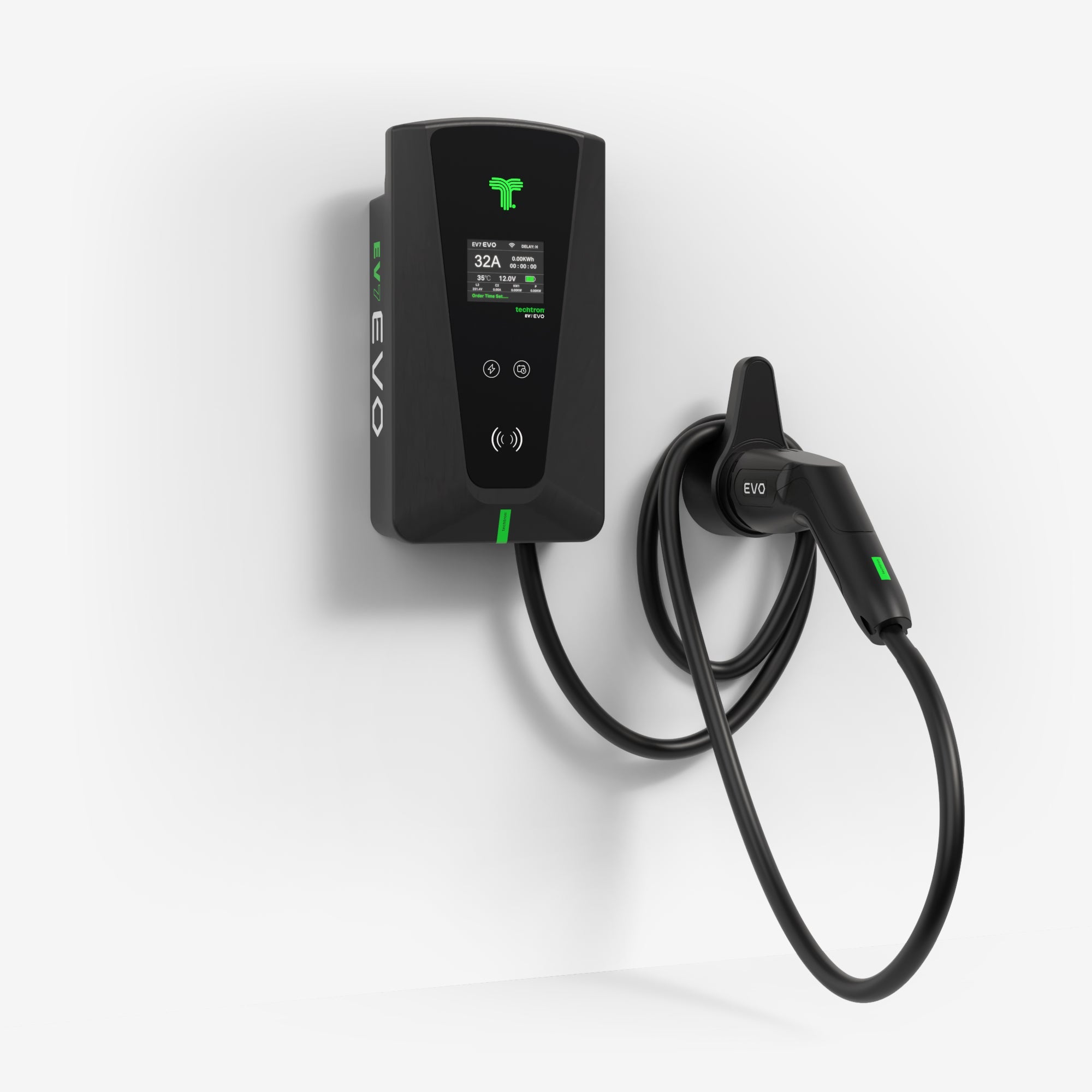
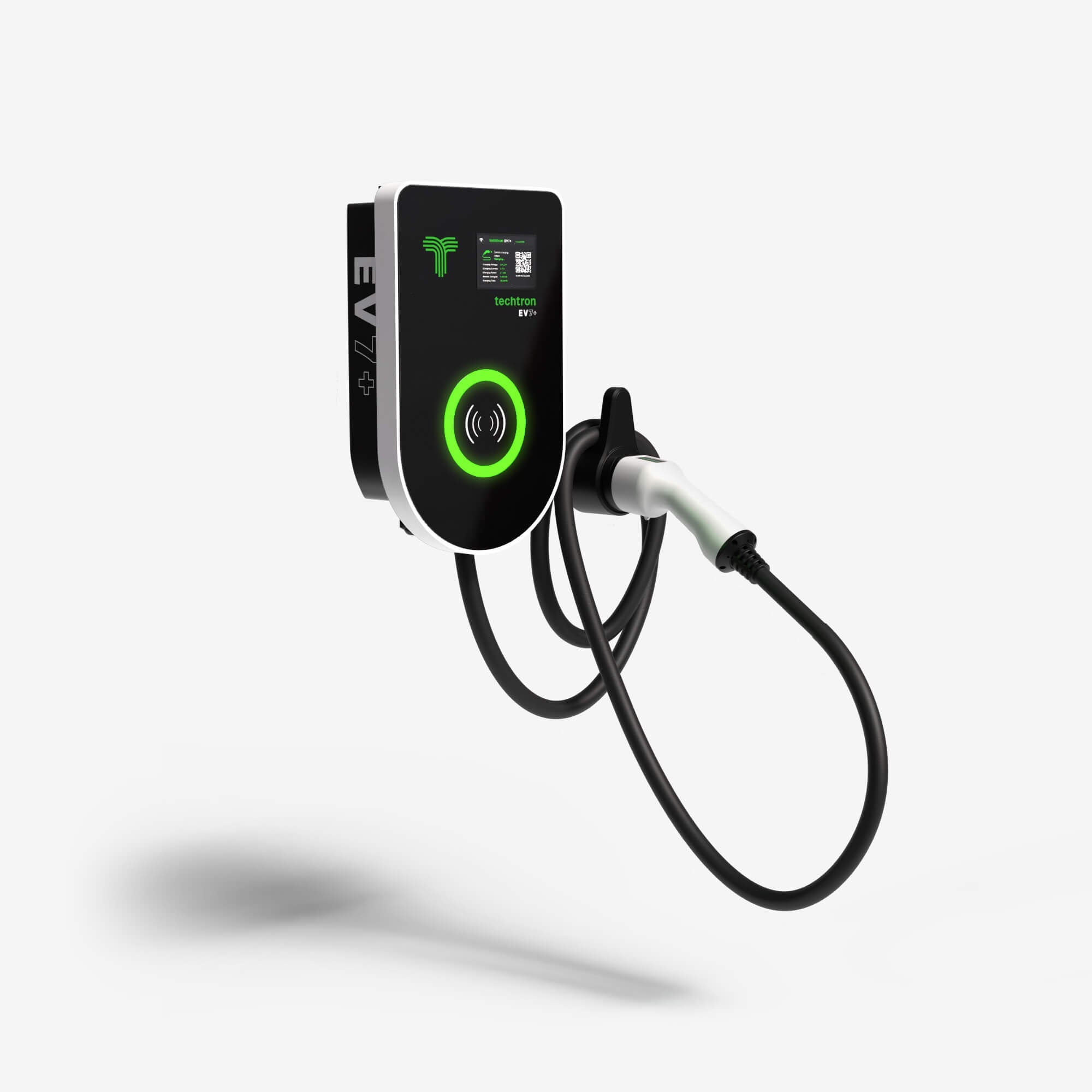
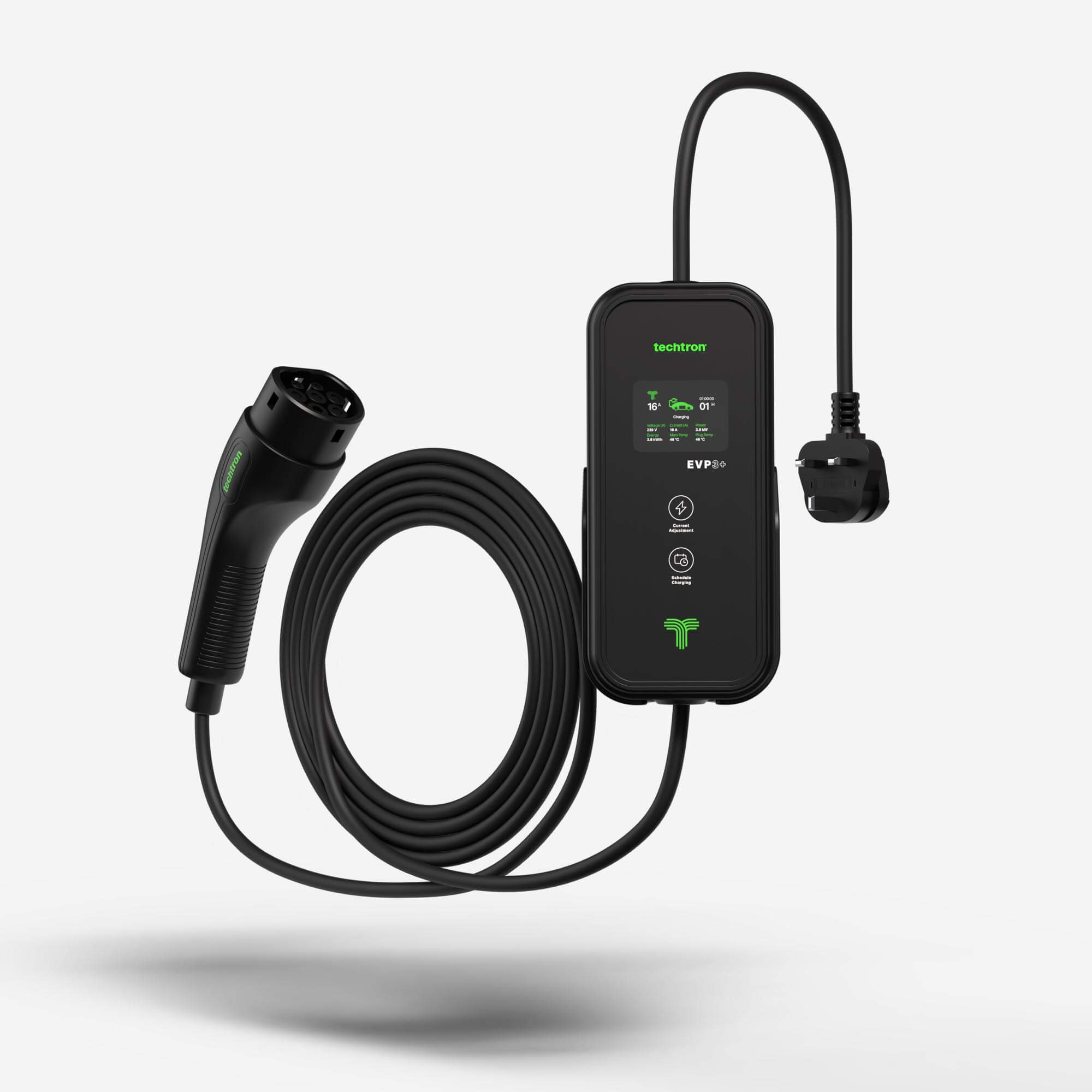
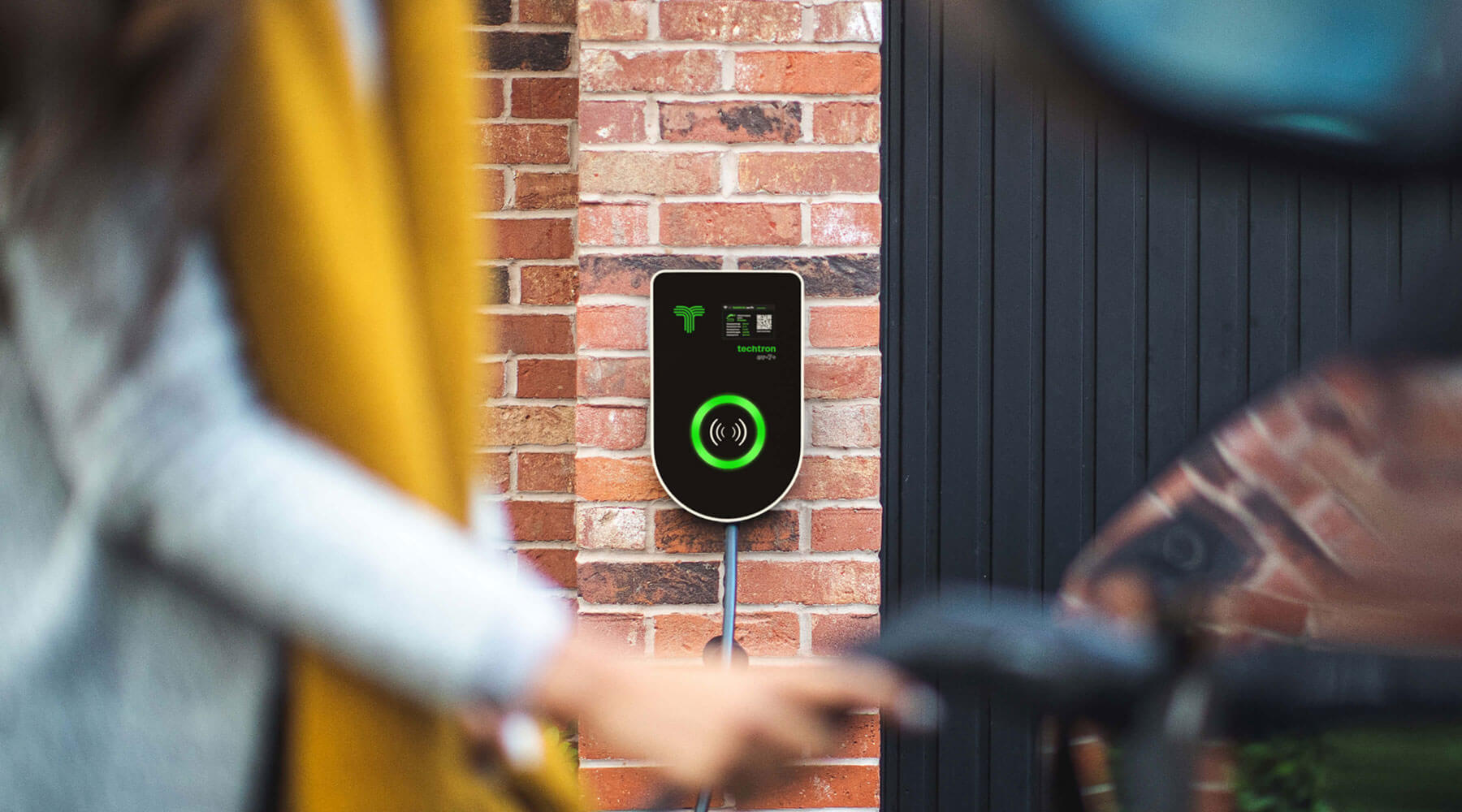
This analysis uses the techtron EV7 EVO as a reference point to explain what actually determines charging performance. The focus is not the product itself, but the system behaviour behind it.
The Hidden Problem in EV Charging
Most EV infrastructure is evaluated based on installed capacity, not usable performance.
In practice, performance is affected by:
- Load variation across the property
- Voltage instability
- Inconsistent energy delivery
This creates a gap between what is installed and what actually performs in use.
That gap is where long-term cost begins.
What Is the techtron EV7 EVO?
The EV7 EVO is used here as a reference system to illustrate how stable charging performance is achieved in real-world conditions.
It is not positioned as a feature-driven product, but as part of a reliable home charging system built for consistency.
How Long Does the Best 7kW EV Charger Take to Charge?
Charging speed matters only when it is delivered consistently.
At 7.6kW, charging performance is significantly higher than a standard 3-pin plug (2.3kW) or basic 3.7kW units.
Typical charging times:
- 40kWh battery: ~5–6 hours
- 75kWh battery: ~9–10 hours
- Overnight charging covers most daily usage
For most UK homes, this means full overnight charging without disruption, which is what actually matters in daily use. Speed on paper does not matter if the system is not consistent.
7kW vs 11kW vs 22kW: What actually matters?
For most UK households operating on single-phase infrastructure, a 7kW charger is considered standard.
However, performance depends less on rated output and more on how the system handles load variation, grid fluctuation, and sustained usage.
Higher-output chargers only deliver value if the property infrastructure supports them. Without that, they increase cost without improving usable performance.
Why “Smart Features” Often Fail in Real Use
Many EV chargers compete on feature lists — apps, connectivity, scheduling, and display interfaces.
However, these features do not determine performance.
The critical factor is how consistently the system delivers power under variable conditions.
What Solves This in Practice
Systems designed for real-world environments focus on stability, load handling, and consistent delivery.
This means:
- maintaining output under variable load
- handling grid fluctuations without disruption
- avoiding performance drop-offs over repeated use
This is where engineered systems differ from specification-led products.
Built for UK Conditions: Safety and Compliance
The EV7 EVO is OZEV-approved and compliant with CE, UKCA, RoHS, and IEC 61851 standards.
Safety features include:
- over-current, voltage, and thermal protection
- leakage and surge protection
- integrated Type A RCD and PEN fault protection
With an IP65 weatherproof rating, it is suitable for outdoor installation across UK conditions.
This level of protection is required in UK operating conditions.
Solar-Ready Charging: Future-Proof Capability
The EV7 EVO supports integration with solar and PV systems via a compatible hybrid inverter or EMS.
This allows surplus solar energy to be used for EV charging instead of exporting back to the grid, improving overall system efficiency.
The challenge is not compatibility, but maintaining stable charging behaviour under fluctuating energy input.
Universal Compatibility Across EV Brands
The EV7 EVO supports compatibility across major EV brands including Tesla, BMW, Audi, Mercedes-Benz, Hyundai, Kia, Ford, and Volkswagen.
One installation supports both current and future vehicles without requiring changes to the charging setup.
When Is a 7kW EV Charger the Right Choice?
This is NOT the right solution if:
- you require rapid multi-vehicle turnaround
- your property is already equipped with three-phase infrastructure
- your usage demands exceed overnight charging capacity
A 7kW system is the correct choice when:
- your home uses single-phase supply
- your daily driving can be replenished overnight
- you prioritise stability over peak speed
Choosing a higher-output charger without the correct electrical setup often results in underutilised capacity and unnecessary installation costs.
For most residential users, a well-engineered 7kW charger delivers the best balance of reliability, efficiency, and usability.
Conclusion
Most EV charging systems appear similar on specification.
The real difference appears through behaviour under load, variation, and daily use.
This is where system design matters.
Most systems do not fail immediately.
They fail gradually — through inconsistency.
Performance is defined through behaviour over time.
The question is not:
“Which charger is best today?”
It is:
Will this system continue to perform reliably over the next 3 years under real-world conditions?
That is what defines long-term value.